German Heritage in Georgia: Swabian Villages, Neu-Tiflis and the Goethe-Institut
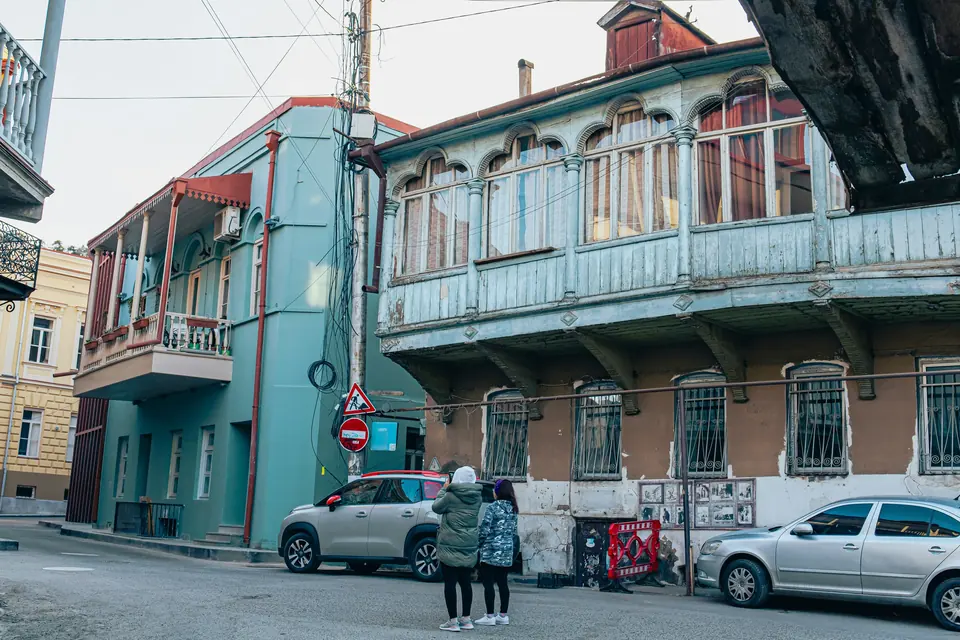
- From 1817, Swabians from Württemberg emigrated to the Caucasus and founded their own villages in Georgia.
- The best known: Katharinenfeld (today Bolnisi) and Elisabethtal (today Asureti) – both easy day trips from Tbilisi.
- In Tbilisi, the German settlement of Neu-Tiflis lay on the left bank, around today's Aghmashenebeli Avenue.
- In 1941 the Caucasus Germans were deported under Stalin – houses, wine cellars and churches still tell their story.
- German culture today: the Goethe-Institut Georgia in Tbilisi and the Lutheran Church of Reconciliation.
Did you know that Georgia once had Swabian villages? Just over 200 years ago, families from Württemberg travelled all the way to the Caucasus – and built houses, wine cellars and churches you can still visit today.
Germans in Georgia at a glance
| Arrival | from 1817, mainly Swabians from Württemberg |
| Known villages | Katharinenfeld (Bolnisi), Elisabethtal (Asureti), Marienfeld (Sartichala) |
| In Tbilisi | Neu-Tiflis on the left bank, around Aghmashenebeli Avenue |
| Turning point | 1941 deportation under Stalin |
| Today | Goethe-Institut, Church of Reconciliation, restored houses |
The history in brief
From 1817, Swabian families set off on the long journey to the Caucasus, many for religious reasons. The first colonies were founded from 1818. The settlers brought winemaking, crafts and their style of houses. They lived in Georgia for more than 120 years – until they were deported on Stalin's orders in 1941. The villages received Georgian names, but many buildings survived.
Places you can visit
Bolnisi (Katharinenfeld) – the best-known Swabian village, named after Queen Katharina of Württemberg. In the old German quarter you will see houses with wooden balconies and the former Lutheran church.
Asureti (Elisabethtal) – smaller and closer to Tbilisi. The main street with 19th-century houses looks almost like a village in southern Germany.
Neu-Tiflis – the German settlement in the capital lay on the left bank of the river, around today's Aghmashenebeli Avenue. A walk there is worthwhile anyway: beautiful facades, cafés and restaurants.
Church of Reconciliation – Tbilisi's Lutheran church was rebuilt in 1995–1997 on the site of a former German cemetery.
Our tip: day trip from Tbilisi
- Morning: drive to Asureti, walk along the old village street.
- Midday: continue to Bolnisi, German quarter and old church.
- Afternoon: back to Tbilisi, dinner on Aghmashenebeli Avenue in the former Neu-Tiflis.
German culture today: the Goethe-Institut
The Goethe-Institut Georgia in Tbilisi offers German courses, exams, readings and concerts. Many Georgians learn German. Information and events: goethe.de/georgia.
Read more
Tbilisi travel guide · Car rental in Georgia · Georgia itinerary
Frequently asked questions
Where can I see German houses in Georgia?
Mostly in Bolnisi (formerly Katharinenfeld) and Asureti (formerly Elisabethtal) south-west of Tbilisi: half-timbered and stone houses with wooden balconies, wide village streets and old churches. In Tbilisi itself around Aghmashenebeli Avenue, the former Neu-Tiflis.
How do I get from Tbilisi to Bolnisi and Asureti?
Easiest by rental car or with a driver – both places can be combined in one day. Asureti is closer to Tbilisi, Bolnisi further south. Marshrutkas leave from Tbilisi; please check departure points and times locally.
What happened to the Germans in Georgia?
In 1941 the Caucasus Germans were deported to Kazakhstan and Siberia on Stalin's orders. Only a few returned. Their villages received Georgian names, but many buildings are still standing.
Where is the Goethe-Institut in Tbilisi?
According to sources, the Goethe-Institut Georgia is at 16 Zandukeli Street in Tbilisi. It offers German courses, exams and cultural events. Current information at goethe.de/georgia.
Sources: Wikipedia: Caucasus Germans · Georgia Travel (official tourism site): German District in Bolnisi · Georgia Travel: Aghmashenebeli Avenue – Neu-Tiflis · Ilia State University: project on the German colonists · Goethe-Institut Georgia. All information without guarantee; rules can change at short notice.